India is full of richness, from varied cuisines and vibrant festivals to crowded markets. However, an unpleasant challenge exists beneath this vibrancy – food waste. The Food Waste Index Report from the United Nations indicates that India wastes 68 million tonnes of food a year. This is very concerning, especially for a country that has millions that continue to face hunger and malnutrition. The situation with food waste is complicated. However, part of the solution has to do with sustainable food waste management and disposal, and this is why compostable bags exist. Compostable bags are much more than a substitute for plastic. Compostable bags enable us to manage and dispose of food waste in a cleaner, safer, and sustainable way.
In this post we will talk about food waste in India, the requirement for better disposal practices, and how compostable bags like Dr. Earth’s Bags can help us towards a cleaner and greener future.
Understanding the Scale of India’s Food Waste Problem
- Households: Several leftovers after meals, extra fruits and vegetables, and surplus foods made during festivals are thrown away after being left to spoil.
- Weddings and events: In India, opulent gatherings are festivities based on food consumed. Unfortunately, there is typically lots of food that isn’t eaten or discarded during those events.
- Restaurants and hotels: Daily, many hundreds (or thousands) of pounds of food are thrown away due to surplus, strict hygienic practices, and leftover food consumed by customers.
- Wholesale markets: Food that perishes quickly like fruits, vegetables, and dairy products typically goes bad due to incorrect storage, no storage, or excess bought food.
All of these circumstances lead to large amounts of organic waste created in landfills. When combined with plastic food waste, it becomes near impossible to compost or recycle in any effective way.
Why Food Waste in Landfills is a Bigger Problem Than We Think
Many individuals believe food waste will decompose as it is thrown away in landfills, but this is not true. When food waste is thrown away in an open garbage site, it doesn’t decompose. When this happens:
- It generates methane, a greenhouse gas 25 times worse than carbon dioxide.
- It serves as sustenance for vermin and stray animals and poses sanitary and health issues.
- It can be contaminated by plastic food waste and/or adulterants that makes it impossible to compost.
In short, landfills are not the answer. We need a system that can keep food waste out of landfills by separating it and making sure that it is biodegradable in the first place.
The Role of Compostable Bags in Food Waste Management
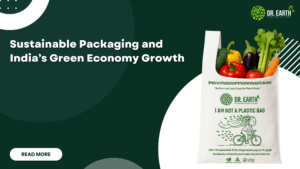
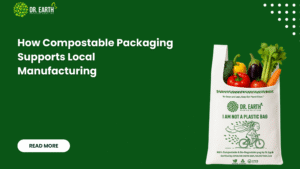
This is where compostable bags come into play. Compostable bags are not made from plastic, but from natural materials like cornstarch and vegetable oils. They are designed to fully break down in composting conditions, without leaving any microplastics or toxins behind.
Here are three important ways compostable bags positively affect the management of our food waste:
1. Encouraging Segregation at Source
If every household, restaurant, or office was committed to using compostable bags as a way to dispose of food scraps, the segregation of wet waste (biodegradable waste) would be much easier. As stated before, these bags can go directly into the compost, ensuring that food waste does not also sit with plastics or metals.
2. Making Composting Convenient
One of the barriers people face when composting is the mess and/or odor associated with handling food scraps. For those who may find it harder to make the leap to committing to food scraps and compost bins, or considering the odor and mess, compostable bags in their own way emulate a plastic bag, allowing people to line their dustbins and compost bins. Ultimately, bags keep refuse hygienic, and then when full, compostable bags are tossed into the composting pile.
3. Reducing Landfill Burden
The more the community uses compostable bags, the more food waste gets sent to composting facilities rather than landfills. Eventually, this effort will minimize methane emissions and provide compost for agriculture and gardens that adds value to the process.
4. Supporting Circular Economy
When food waste, along with compostable bags, is composted, it can become an organic fertilizer. This establishes a closed-loop system that brings waste back to the planet while reducing dependence on synthetic fertilizers.
Compostable Bags vs. Plastic Bags: Why the Difference Matters
- Plastic Bags: Retain moisture, slow decomposition, and leach out toxic microplastics.
- Compostable Bags: Break down with food waste and improve nutrient-dense compost, rather than degrading it.
While this may sound small, it often balloons into many millions of households and institutions involved.
How Dr Earth Is Making an Impact
At Dr Earth, we believe sustainability requires small, actionable changes. That is the reason we offer a variety of certified compostable bags, from regular garbage bags, to compostable carry bags and grocery bags, to meet the needs of several people to responsibly dispose of their waste.
- Households: Utilize compostable garbage bags in your kitchen for peels, other leftovers, or food scraps.
- Restaurants: Store customer waste and leftovers, and take-away containers in compostable trash liners which can then go to composting.
- Event organizers: Use compostable carry bags instead of plastic to hand-out prasadam effects, or food, or pieces of take-away.
- Municipalities: A municipality can simply place the compostable bags inside the collection model to make sure the organic waste is clean and not contaminated at the moment of pick-up.
The Dr Earth bags are government-approved, environmentally friendly, safe for the planet, and a great option for dealing with food waste in all land areas of India.
Food Waste and Compostable Bags: A Step Toward Zero-Waste Cities
Imagine this:
- Every household sorts food waste into compostable bags.
- Every restaurant and hotel responsibly manages leftover food with compostable liners.
- Every municipal corporation collects wet waste in compostable bags and delivers it to large composting facilities.
- Compost is returned to the community for agricultural use to restore India’s soils naturally.
That’s not just a dream, but a realistic approach toward zero waste cities. Those compostable bags are the missing piece of the pie that connects commercialization, homes, and the municipal waste.
Practical Tips to Use Compostable Bags for Food Waste
- Don’t overfill the bag; milk compostable bags are designed to break down, they function better with smaller amounts of waste.
- Tie up and take each day; transfer the bags filled with waste to a compost pile, or municipal waste location.
- Educate the household; educate everyone, kids and staff on the importance of separating wet waste.
- Work with your community—housing societies can partner as a community to utilize compostable bags, which is easier than independent composting.
Looking at the Bigger Picture
Food waste is not waste; it is resource. Each nibbled food is waste due to also wasting water, energy, labor, and transportation. Compostable bags aren’t going to solve food waste but they will help manage food waste more easily and effectively.
Compostable bags are sustainably development in itself as they ensure the effective collection, separation of food waste and composting without contamination plastic.
Conclusion
Food waste in India is not only a challenge but also an opportunity. With an awareness of how we consume, informed disposal, and a durable compostable bag as an alternative product, we can genuinely create wealth from waste in India. Compostable bags do not just serve as a recycling material; they help us create a system where waste food returns to nourish the soil and crops in the next crop cycle.
At Dr Earth, we support the change we can in that system. Households, businesses, and institutions can each contribute to the composting system by using compostable bags to reduce food waste and the effects of plastic pollution while moving towards a green India.
FAQs
Q-1. Can compostable bags hold heavy food waste, like curries or wet leftovers?
Ans- Yes, Dr Earth compostable bags are sturdy and leak-resistant. It is best to dispose of liquid-heavy waste as soon as possible, but the bags can hold them well.
Q-2. Do compostable bags work in municipal composting facilities?
Ans- Yes. Compostable bags are certified to break down in composting conditions, so they can be used for both home and industrial compost.
Q-3. How long do compostable bags take to decompose?
Ans- Depending on the composting conditions, compostable bags typically break down in 90-180 days without leaving behind any microplastic or toxic material.
Q-4. Are compostable bags more expensive than plastic bags?
Ans- Initially, yes. But considering their environmental benefits and the growing regulations against plastic, compostable bags are a more sustainable and future-ready choice.
Q-5. How can restaurants and hotels adopt compostable bags?
Ans- They can replace traditional plastic bin liners with compostable ones and ensure all food waste is disposed of in them. This keeps waste streams clean and compostable.