The healthcare industry performs several tasks to assist society, including helping people maintain their health, providing treatment for various illnesses, and conducting research to increase our knowledge of human anatomy and physiology. Nonetheless, the healthcare sector creates an immense amount of waste every day through the operation of hospitals, clinics, diagnostic facilities, and other locations used for medical purposes. Essentially, waste has resulted from packages used to ship medical supplies, disposable articles such as syringes or gloves, and single-use articles such as IV bags; all predominantly made of plastic.
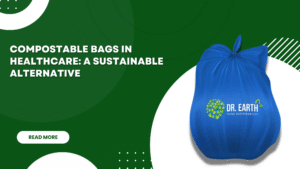
This waste is being generated at an increased rate due to a growing awareness of environmental issues, and as a result, many healthcare facilities around the world are trying to find ways to eliminate the use of plastic in their operations. Certified compostable bags, specifically high-quality compostable bags, have been identified as feasible alternatives for hospitals and other healthcare facilities that generate large amounts of non-hazardous waste; therefore, compostable bag usage should be considered for implementation, as they provide positive environmental impact along with a positive user experience.
The objective of this article is to demonstrate that compostable bags should be utilized in the healthcare sector, determine the means by which compostable bags can be utilized within healthcare facilities, provide evidence of positive contribution to sustainability, cost savings, and compliance with regulations, while adhering to the highest standards of operation in the medical field.
The Growing Waste Problem in Healthcare
Healthcare contributes significantly to unnecessary waste production. Studies of different hospitals and care facilities provide evidence that they all generate between 1 and 5 kilograms of waste each day for every occupied bed, depending on the types and level of service provided. Although most of the waste is not considered hazardous in nature, a substantial portion is made up of packaging, food service waste, disposable products, and single-use items, most of which is ultimately directed to a landfill in a plastic bag.
The following factors create significant challenges for the healthcare industry concerning plastic packaging and plastic bags:
- Longevity of presence in the environment (centuries)
- Contribution to microplastic pollution
- Difficulties in recycling plastic when contaminated
- Increase in volume of waste to landfill or incineration
Often, healthcare facilities are located in urban settings; thus, their relative visibility and concern with respect to environmental sustainability continue to be heightened.
What Are Compostable Bags?
Compostable bags are comprised of renewable plant-based materials (i.e., cornstarch, sugarcane bagasse, or other equivalent organic polymer). Under appropriate composting or decomposition conditions (usually at an industrial or certified facility), these bags will decompose into carbon dioxide, water, and biodegradable organic material. An important caveat with respect to compostable products is that there will be no residual microplastics or toxic residues present after the products have been composted.
Key Characteristics
- Manufactured from renewable plant materials
- Compostable (certified) materials (ASTM D6400, EN 13432 or equivalent)
- Degrades under controlled composting or decomposing conditions
- Safe products with no residual environmental impacts
In contrast, “biodegradable” plastics may fragment but leave behind microplastic residues — a critical distinction in healthcare waste management.
Certified compostable bags offer performance comparable to traditional plastics but break down into harmless components when composted correctly.
Why Healthcare Facilities Should Consider Compostable Bags
a. Reduce Environmental Impact
Compostable bags are one way to reduce the amount of plastic produced by healthcare facilities. This has been most apparent with certain non-hazardous waste, such as:
- Waste from food and kitchen areas in hospitals
- Organic waste from meals served to patients
- Paper and cardboard are mixed
- Waste created from packaging and office supplies
- Non-hazardous clinical waste that is not subject to special regulation by state or federal agencies.
By using less plastic in these waste streams, fewer plastics are placed in landfills, less pollution is created, and therefore less greenhouse gas emissions are generated by waste disposal.
b. Improve Waste Segregation and Recycling
Separating waste into the correct type of collection container is an ongoing challenge for healthcare. When they are mixed, this can result in contamination of composting and recycling systems. By using compostable bags for all organic waste, and for non-regulated waste, healthcare facilities will have the opportunity to:
- Make the source separation process easier for both housekeeping and clinical departments
- Improve the quality of organic compostable waste that is collected
- Decrease the contamination of recyclable materials that get collected.
Using clear labelled and colour-coded compostable bags will also help housekeeping, as well as, clinical departments, quickly and easily identify the appropriate disposal method of both organic and non-regulated waste.
c. Regulatory Compliance Support
As the Plastic Waste Management Regulations and hospital waste management regulations in India continue to develop, more responsibility for segregating and disposing of waste will fall on healthcare facilities. Compostable bags will help fulfill these new obligations in a variety of ways, including:
- Promoting source segregation
- Showing progress on reducing plastic
- Providing support for sustainability reporting
- Minimising regulatory risks
While compostable bags can’t be used for disposing of regulated biomedical waste (which must be managed in a specific manner), compostable bags are perfect for the non-hazardous setting where plastic waste reduction assists hospitals in meeting their compliance obligations.
d. Positive Brand and Patient Perception
Healthcare providers are viewed through the lens of trust. Patients, caregivers and communities consider not just the well-being of individual patients but also the health of the planet.
Using compostable packaging and bags sends a message that the healthcare facility is:
- Responsible for the environment
- Acts as a values-driven organisation
- Leads in sustainable practices
- Is concerned about the community’s health
All of these contribute to building goodwill with patients, caregivers, and even investors who are increasingly focused on Environmental, Social, and Governance (ESG) criteria.
Practical Applications of Compostable Bags in Healthcare Settings
a. Cafeterias and Food Service Areas
Food service-related waste is unavoidable in hospitals, and compostable bags provide an ideal means to collect all types of food-related waste in food service and cafeteria areas, including:
- Collecting vegetable and fruit scraps
- Food service left-overs
- Kitchen organic waste
- Customer and cafeteria compostable disposables
These organic waste streams do not qualify as hazardous waste streams and can be segregated from clinical waste by using compostable bags [or waste diversion containers].
b. Administrative and Office Waste
Administrative activities of Healthcare Facilities involve numerous facets of Billing, Records, Scheduling, Office, and Reception/compliance. Compostable bags could substitute for plastic liners in the following areas:
- Administrative waste
- Paper waste
- Office recycling
- Kitchen and breakroom areas
Adding more sustainable choices will not change the day-to-day operations of the facility, or its employees.
c. Non‑Hazardous Clinical Waste
A large percentage of the waste generated in Healthcare Facilities is not classified as biomedical waste. This waste falls under the following categories:
- Non-infectious containers
- Non-clinical glove use (ex: performing a procedure and then putting on gloves)
- Comfort item use (ex: providing blanketing for a patient)
- Training materials and dry dissection waste
By implementing the use of compostable bags in these areas, the Healthcare Facility reduces plastic waste and maximizes the ability to compost recovered compostable items after they are disposed of.
Addressing Operational Concerns
Will Compostable Bags Hold Up?
The use of Certified Compostable Bags (i.e., Dr. Earth compostable bags) is durable:
- Strong, tear-resistant material
- Protect against liquid leaks for organic waste
- Daily-use commercial applications
Compostable bags of superior quality provide consistent, reliable service in actual, daily use in a commercial Healthcare environment, versus using inexpensive, uncertifiable compostable bags.
Cost Considerations
The cost of composting may be somewhat higher on a per‑item basis than generic plastic, but there are other benefits associated with composting:
- Improved waste segregation minimizes the costs of removing contamination.
- Reduced disposal costs (avoiding disposal of more than just the plastic).
- Reduced waste that will impact the environment negatively.
- Advancing in corporate sustainability reporting.
The overall trend has shown long-term savings from compostable bags (e.g., in some cases).
Implementation Strategy for Healthcare Facilities
a. Audit Your Waste Streams
To determine what type of material you generate:
- Identify your non-hazardous waste streams
- Identify how much of that is organics, paper, or other recyclable types (e.g., mixed recyclables)
- Identify your existing plastic trash/recycling
Knowing the location of plastics within your operation provides opportunities to use compostable bags.
b. Source Appropriate Certified Products
You need to focus on sourcing products that are:
- Certified as environmentally friendly, biodegradable, and/or compostable per recognized standards
- Accepted in an industrial/commercial composting facility
- Authorized for use with organic and non-hazardous materials
(For example, Dr. Earth provides a compostable product set specifically to meet these criteria).
c. Train Staff on Segregation
To maximize success with compostable bags, proper segregation is essential, which includes: clear labels, colour coding, waste handling SOPs for housekeeping, training sessions & the use of visual guides, as well as ongoing compliance checkups. Education is critical to preventing contamination of compostable streams.
d. Partner with Composting Operators
Knowing how you will dispose of compostable bags is very important. The following three disposal options should be explored: municipal composting facilities; on-site composters (for example, community composting); and/or private composting vendors. By knowing your composting options, you can keep your compostable bags out of landfills.
Measuring Impact
Healthcare facilities should track their sustainability impact by measuring: tons of plastic diverted from landfills annually; decrease in landfill waste and cost savings associated with waste disposal; patient and staff feedback on sustainability programs. These metrics serve to validate the adoption of compostable bags and support broader sustainability initiatives.
Future Opportunities in Healthcare Sustainability
As the concept of sustainability evolves, the use of compostable bags is only THE beginning of a developing paradigm shift toward a more environmentally conscious approach to all aspects of healthcare.
a. Integration with Circular Economy Models
Hospitals and healthcare systems have opportunities to expand across the following:
- Compostable trays
- Compostable utensils
- Recyclables/reusables for linens/textiles
- Green purchasing policies
Using compostable bags to create sustainable behaviours.
b. Technology‑Enabled Waste Sorting
Smart waste bins and IoT-based segregation will allow for:
- Automated separation of compostable streams
- Monitoring of levels of contamination
- Data acquisition for continuous improvement
Instead of viewing waste management simply as an operational requirement, healthcare can now use it to support a strategic capacity.
c. Collaboration with ESG Programs
Healthcare organisations are being asked by stakeholders to provide information on their sustained environmental goals. Compostable packaging supports:
- ESG reporting
- Sustainability reports
- Community health grants and funding
This positions the healthcare sector at the forefront of corporate responsibility.
Conclusion: A Sustainable Win‑Win for Healthcare
Compostable bags are more than a “green accessory”. They are an important part of achieving sustainable waste management in healthcare and relating to our mission of health and wellbeing.
Sustainable waste management means gaining additional economic, operational and environmental returns, all while adhering to the core values of healthcare and its mission of offering health and wellbeing.
When certified compostable bags are used for non-hazardous waste streams in healthcare facilities, they will:
- Reduce the amount of plastic pollution within the community
- Improve waste segregation processes
- Support the municipality’s composting infrastructure
- Improve brand trust and patient satisfaction
- Make a meaningful contribution to sustainability initiatives
Dr. Earth is an example of a vendor that can help make the transition from traditional to sustainable packaging by providing certified, strong, and performance-oriented compostable packaging that is suitable for Indian conditions.
Plastic bags are being phased out worldwide and compostable bags are a logical, effective and impactful way to help deliver that goal, demonstrating that we can have both, caring for patients and caring for the planet.
Frequently Asked Questions
Yes, they are safe for non‑hazardous waste streams when certified under recognised compostability standards.
They are suitable for non‑hazardous waste but should not be used for regulated biomedical waste which has strict handling requirements.
They compost properly only in certified composting conditions; proper segregation and disposal are essential.
Initially yes, but long‑term savings from reduced disposal costs and sustainability benefits often outweigh the price difference.
Absolutely — by diverting plastic from landfills and supporting circular waste systems.
Share:
Related Posts


Send Us A Message
Related Posts



Compostable Packaging for Cloud Kitchens and Food Startups: A Smart, Sustainable Strategy
Read More »