India is at the cusp of an ecological revolution. As plastic pollution continues to damage our ecosystems and climate, never has the voice for alternatives for sustainable solutions to plastics been louder. Retail chains — the link between producers and consumers — are in a unique position to help lead this revolution.
One easy, but very effective, thing they may do is to tackle compostable packaging. Grocery stores, supermarkets, online fashion brands and other retail may hold a solid position to help bring India’s green revolution forward.
Let’s see how and why.
The Plastic Problem: A Crisis Retailers Can Help Solve
According to the Central Pollution Control Board (CPCB), India produces approximately 3.5 million tonnes of plastic waste each year and a large percentage of that waste is produced from packaging products. Retailers use thousands of single-use plastic bags and wraps (and containers) every day; ultimately, the majority of this plastic ends up in landfills or the oceans.
Wastes like this, made from petroleum-based plastic threatens wildlife; damage microorganisms in the soil, and negatively affect humans by inducing microplastic in our food and water supply.
Retailers being on the front line of the consumer supply chain have the significant opportunity to reduce their impact by offering compostable packaging. packaging is made from plants and will break down into organic matter, leaving nothing toxic behind when it decomposes naturally.
Compostable Packaging: The Game-Changer
Compostable packaging, like the product offered by Dr. Earth, is made from wholly-abandoned products with natural sources such as cornstarch, sugarcane bagasse, and vegetable starches. Unlike petroleum-based plastic packaging, the compostable packaging will decompose into nutrient-rich compost after few months when put through a short compost process.
This is why compostable packaging is a preferred option for retailers:
- Environmentally Sound: Fully biodegrades into non-toxic, naturally occurring materials.
- Consumer-Friendly: Aligns with the shifting toward sustainable products.
- Government Friendly: Meets compliance required by India’s plastic ban under the Plastic Waste Management Rules.
- Brand Building: Builds perceptions of brands that embrace eco-conscious practices.
To summarize, compostable packaging is more than an environmentally friendly shift — it is a savvy move, and should be done, by retailers today.
Why Retail Chains Hold the Key to Change
Retailers are engaged in millons of purchasing decisions daily. Whether it is the bags they hand out, or the container a meal gets delivered in, any small transaction can propel action on a larger scale.
Here is why their engagement is important:
- Mass Reach: Retailers (especially chains) are positioned in cities and towns to make eco-good habits commonplace for consumers.
- Control of Supply Chains: They are often able to demand or put standards in place for suppliers and vendors.
- Trust and Customer Confidence: People tend to look to established trusted brands to take the lead on ethical action and sustainable practices.
When retailers, particularly chains, engage the change to compostable packaging, they have the power, the audiences, and the platforms, to have consumers and the community next the lead small retailers to adopt actions in compostable packaging too – which shifts sustainable and ethical action from one to be an option to one that we live by.
Steps Retail Chains Can Take Toward Compostable Adoption
a) Replace Single-Use Plastic Bags with Compostable Carry Bags
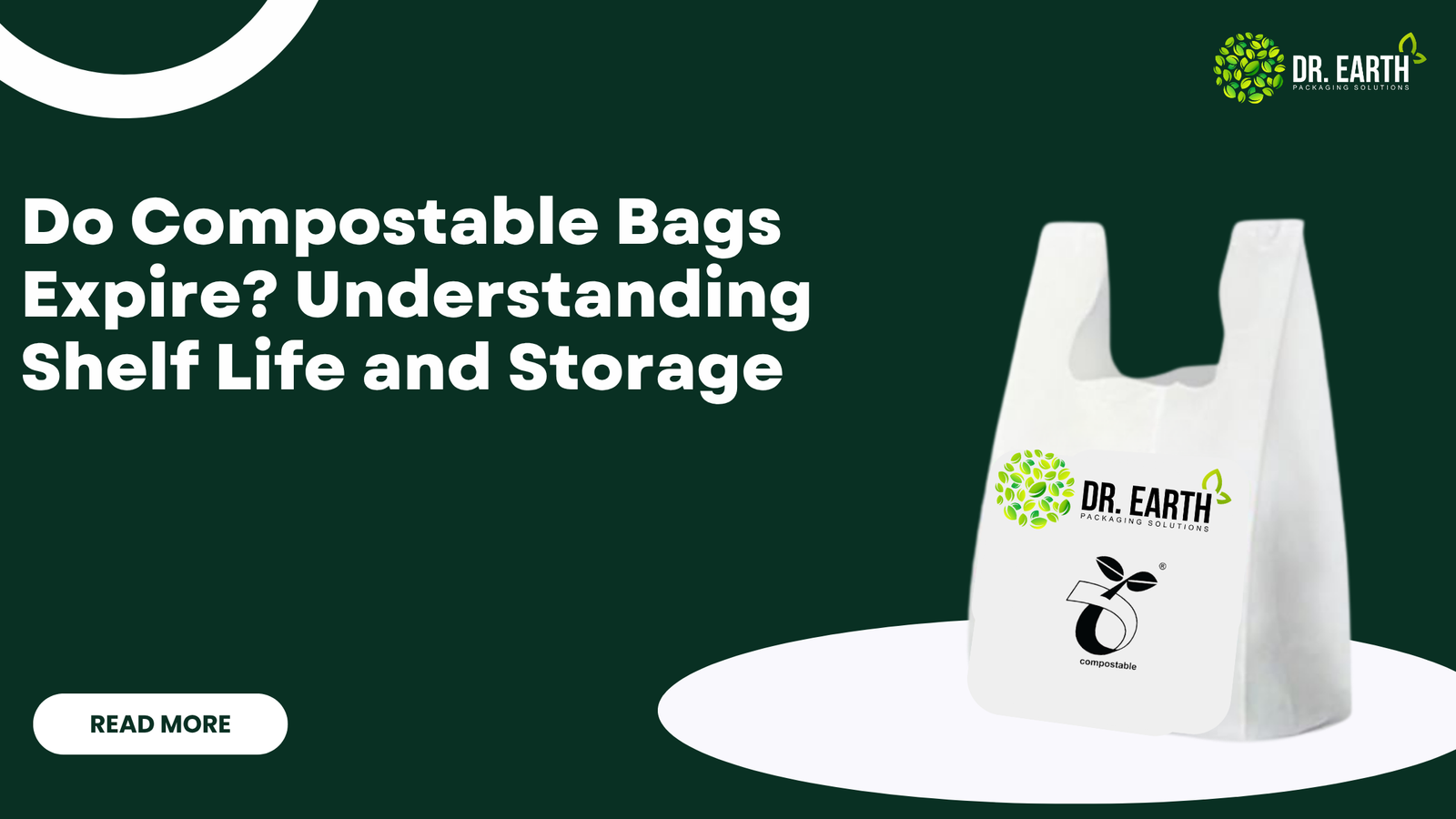
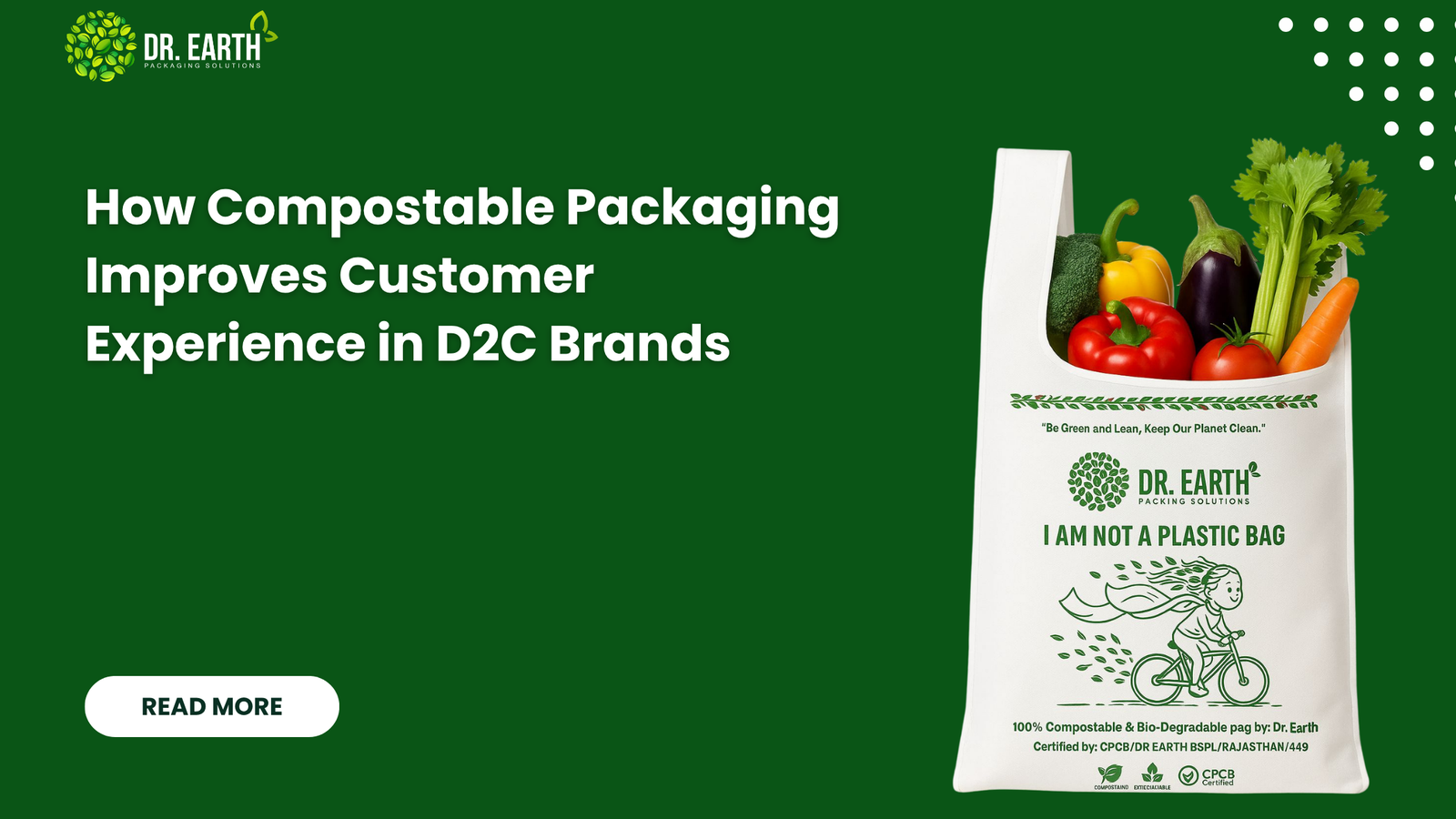
This is the easiest and the most visible change. Carry bags made of compostable materials, like those from Dr. Earth, are strong, reusable and 100% biodegradable – perfect for grocery stores and retail stores.
b) Use Compostable Packaging for Food and Grocery Items
Compostable wrappers, containers and garbage liners can all replace plastic-based options for supermarkets, bakeries and fresh produce.
c) Promote Eco-Conscious Branding
Retailers can parade their changes to compostable packaging through in-store displays, online promotions and social media campaigns. It will also educate customers and create brand loyalty.
d) Collaborate with Local Suppliers
Retailers can partner with eco-friendly packaging manufacturers, such as Dr. Earth, to ensure quality, longevity, cost and government approved compostable products.
e) Encourage Consumer Participation
Encourage customers to return compostable waste to dispose of and compost. It can help develop a circular economy with waste turning into value.
How Compostable Packaging Benefits Retail Chains
Transitioning into compostable choices will have value in the environment and the store.
a) Enhanced Brand Image
Consumers are increasingly selecting brands that reflect their values. In a recent survey of Indian consumers, over 70% of them preferred to buy eco-friendly products. By committing to compostable packaging, retailers can position themselves as sustainable and socially responsible.
b) Regulatory Compliance
With India’s increasing restrictions on single-use plastics, acting early with compostable products can help ensure compliance with plastic ban legislation, and limit disruptions and penalties.
c) Long-Term Cost Efficiency
While the initial purchase of compostable products may increase costs slightly, the cost savings associated with waste management supplies, and increases in brand loyalty will improve merchandising EBITDA in the long run.
d) Positive Environmental Impact
Every compostable bag has the potential to reduce the impact of plastic on the planet. For most retailers, this will also be magnified exponentially. This is an important step in India’s development as a sustainable nation.
The Role of Consumers in Supporting the Shift
Retailers can only do so much without the cooperation of consumers. Because of this, education and participation into the awareness are essential.
Retailers can engage consumers by:
- Educating them on the benefits of compostable packaging.
- Offering some sort of incentive or discount for consumers that reuse the eco-friendly bags.
- Having the consumer understand the proper disposal of any compostable bag or material.
When retailers and consumers work together, sustainability becomes a shared responsibility.
How Dr. Earth Empowers Retailers to Go Green
At Dr. Earth, we stand by the viewpoint that the green revolution starts with individual balanced and sustainable choices. Dr. Earth’s bags which includes garbage bags, grocery bags, and carry bags – are 100% compostable and biodegradable, based on a cornstarch-based material, certified and government approved, good for our planet.
We partner with retailers across industries to:
- Replace traditional packaging of plastics with sustainable alternatives.
- Develop eco-friendly packaging alternatives to supply for brands sustainability needs.
- Help retailers comply with India’s sustainability standards.
Retail chains supporting Dr. Earth are not just changing packaging, but supporting India’s green movement toward a cleaner; greener; future.
Conclusion: The Future is Compostable
India’s green revolution does not depend solely on government policy, but will be delivered through innovation through collaboration. Retailers are uniquely positioned to lead this transformation and make compostable packaging the new standard way of life.
When every retail store replace plastics with compostable solutions — it sends a message loud and clear: sustainability is not just a trend; it is our future.
That future is not a distant future; that future is being developed right now — one compostable bag at a time.
FAQs on Compostable Packaging for Retailers
Q-1. What is compostable packaging?
Ans- Compostable packaging is made from natural plant-based resources such as cornstarch or sugarcane. Unlike plastic, it breaks down completely into organic matter under compostable conditions and does not leave harmful residue.
Q-2. Why should retailers use compostable packaging instead of plastic?
Ans- Retailers provide the opportunity to reduce plastic waste, comply with legislation on environmental waste, and attract chasing customers with a taste for sustainability. Increased use of compostable plastic improves a retailer’s image by promoting a strong commitment to sustainability.
Q-3. Is the cost of compostable packaging much higher than plastic?
Ans- Compostable packaging may be a little higher in cost to plastic, especially initially. In the long run, compostable packaging costs are reduced by reducing strain on waste management, eliminating punitive plastic fines & labor, reducing retailer transportation costs, and increasing customer perception of trust & sustainability — thus greatly improving the overall cost to use compostable packaging.
Q-4. Is there enough strength in compostable bags for a typical retail usage?
Ans- Yes! Compostable bags from companies, like Dr. Earth, are as strong as plastic. New, high-quality compostable bags are durable, leak-resistant carry bags used to carry groceries, food items & generally all retail goods you would normally carry in a plastic bag.
Q-5. What should retailers do to switch to compostable packaging?
Ans- Retailers can start using compostable bags by working with a certified supplier who is approved by the local government municipality. Compostable bags come in different categories … garbage bags, & carry bags, and as grocery bags. Gradual replacement is encouraged.