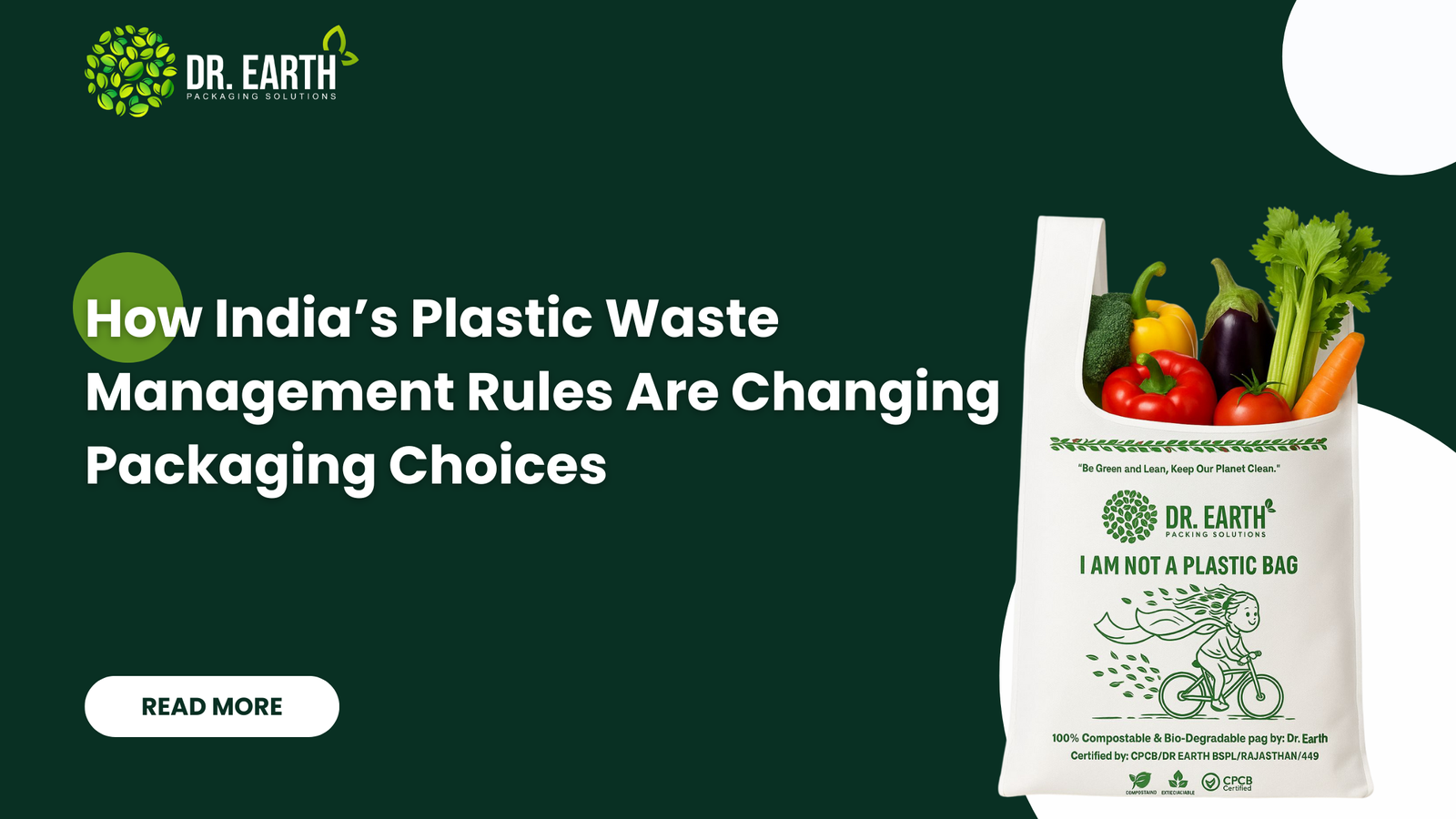
An environmental awareness is developing in the country of India because of a growing urban population and increasing consumerism. This has increased the waste being generated at a rate where it has created a significant challenge due to how fast and large the amount of waste is being created. Of the many types of waste being created, plastics are the most prevalent. When plastic becomes a large percentage of what is disposed of, it has been detrimental to the environment and the public health of the citizen’s around the globe. Plastics are responsible for degrading the ecosystem, blocking drains, polluting air and water, and causing a wide range of negative effects on public health.
The Government of India has recognized that plastics are posing a significant problem, and has put forth regulations to limit the use of plastic products and encourage businesses and individuals to adopt more sustainable options. One of the main regulations that has been pass is called the PWM Rules. This rule consists of a series of guidelines and policies created to manage plastic waste, improve how plastic is us, recycled, and disposed of.
As a result of the PWM Rules, we are beginning to see significant changes in how waste is processed and package across the country; from consumers to businesses, to manufacturers. The significant growing interest in how products are package has led to a major change from traditional packaging methods to modern, sustainable packaging methods, including compostable bags. This change will affect both urban centers and rural markets in India.
This blog will explore how the PWM regulations have impacted packaging decisions, stimulated creativity and innovation in the use of compostable bags and similar sustainable materials, and increase the amount of compostable bags being utilized across India.
The Plastic Problem in India: Why Rules Were Needed
Plastic packaging has transformed how we purchase and consume goods and was originally seen as a low-cost alternative to glass or metal for shipping packaged goods. However, as the use of plastics has grown, so has the accumulation of plastic waste in the environment. In fact, India produces nearly 3.5 million tons of plastic waste each year, with a large percentage of this being generated by packaging materials. Packaging made from plastic materials (shipping bags, wrappers, bottle tops, sachets, etc.) makes its way to landfills, clogged drains, rivers, oceans and other water bodies. Unlike paper or organic materials, plastics cannot break down naturally, but rather break into smaller-sized plastics that eventually enter our food, soil, crops, and water supplies.
The persistence of plastic waste has wide-ranging consequences:
- Plastic waste is one of the primary causes of environmental degradation, including damaged soil and water, disrupted ecosystems, and impacted wildlife.
- Plastic waste represents risks to human health through exposure to microplastics in the food supply and exposure to toxic gases released into the atmosphere during the disposal of plastic containers.
- Plastic waste places tremendous stress on urban infrastructure systems, resulting in clogged storm drains, increased flooding, and degraded efficiency in the collection of waste.
- Plastic waste has tremendous economically-related consequences, including lost revenue for cities, increased healthcare costs associated with plastic-related pollution, and decreased productivity.
Due to the rapid growth of plastic pollution, it became evident that voluntary measures (such as recycling) alone were not sufficient to mitigate the environmental impact of plastic waste; thus, a structured regulatory approach was required, which is what led to the establishment of the Plastic Waste Management Rules.
What Are India’s Plastic Waste Management Rules?
The Plastic Waste Management Regulations (PWM Regulations) were originally introduced in 2016, then revised periodically, to provide a comprehensive framework for managing plastics from initial creation through to disposal. The key components of the PWM Regulations are:
- Extended Producer Responsibility (EPR): All manufacturers of plastic products must be responsible for the collection and environmentally sound disposal/recycling of all plastic waste associated with their products.
- Phased-out Ban on Certain Single-Use Plastics (SUPs): Some types of plastics (difficult to recycle, often littered) are banned.
- Source Separated Waste Stream: All waste producers (Residential or Commercial) must capture plastic waste separately from other materials.
- Requirement for Registration and Reporting: All plastic product manufacturers, recyclers, and other distributors of plastics need to register with the relevant government agencies, and provide regular reporting.
- Promotion of Sustainable and Compostable Options: By providing incentives to replace traditional plastics with environmentally-safe alternatives, as well as to utilize recycled content as opposed to virgin content, Governments are encouraging the use of more sustainable options.
Over time, the important elements of compliance deadlines, enforcement, and environmentally sustainable design have been added to the PWM Regulations to help eliminate the focus on environmental impacts at the beginning of the plastics lifecycle and have helped many producers create a process for managing plastic pollution right from the start.
EPR Is Reshaping Manufacturer and Brand Strategies
One of the most important parts of India’s PWM Regulations is their implementation of Extended Producer Responsibility (EPR).
EPR has triggered a major shift:
1. Redesigning Packaging for Circularity
The trend has been that plastic was the most economical and practical solution for creating most in package design. In contrast, today, companies choose to use materials that support easier preparation for reclamation or recycling and/or composting.
2. Investment in Collection and Recycling Infrastructure
EPR requires companies to fund the infrastructure to collect WR and to sort and recycle.
3. Spotlight on Sustainable Alternatives
Packaging companies are now increasingly using compostable bags, paper alternatives, and plant-based polymers, which replace traditional plastics.
Single-Use Plastic Bans Are Driving Adoption of Alternatives
India’s commitment to reducing plastic waste is demonstrated through the gradual implementation of a ban on certain SUP products. In most states, as well as in numerous metropolitan areas, the distribution of plastic utensils, foam containers, straws, certain types of plastic bags, and other items that are significantly more difficult to recycle will be prohibited.
This is driving change:
- Retailers begin to offer eco-friendly and compostable carry bags
- Restaurants and food delivery providers begin to replace plastic packaging with biodegradable packaging
- Event planners are replacing single-use plastics with environmentally sustainable alternatives
As regulations tighten, the requirement for compostable packaging is rapidly becoming standard practice
Source Segregation Is Reframing Household Packaging Choices
Source segregation has changed how households choose packaging.
The PWM Rules mandate segregation into:
- Orgânica/biodegradable
- Recyclable
- Plastic waste
The new regulations have influenced consumer buying habits, with consumers increasingly seeking out packaging designed to enable the separation of waste into the appropriate category and to facilitate composting. Conventional plastic packaging that cannot be recycle or composted is now deemed incompatible with responsible waste management practices.
Consumer awareness of these issues is also leading to increased pressure on the brands that sell packaged goods to implement packaging that is compatible with environmentally sustainable disposal systems, including compostable bags and packaging options.
E-Commerce and Retail Are Accelerating Packaging Innovation
The rapid growth of e-commerce in India has led to an over-reliance on plastic packaging as couriers used courier envelopes, fillers, tape, protective wrapping, etc. Packaging waste is recognize as a growing contribution to the environmental plague of plastic pollution stemming from e-commerce.
The PWM Rules have prompted e-commerce players and retailers to explore:
- Biodegradable courier bags
- Paper and plant-based mailers
- Environmentally-friendly packaging/bulk fillers
- Recyclable and reusable packaging
As a result, smaller brands and new companies are leveraging these options to establish Brand Loyalty with Eco-conscious Consumers; particularly, Millenials and Generation Z.
How Compostable Bags Fit into the Regulatory Landscape
Compostable bags not only offer some functional convenience to consumers, but they also meet regulations.
- Practical alternatives for banned plastics
- Support for Source Segregation (especially regarding Organic Waste Collection)
- Less Contamination of Waste Streams
- Compatibility with Municipal Composting Programs
Compostable Products, including CPCB approved bags, will ensure continued compliance by businesses with established Regulatory Guidelines; furthermore, they help contribute toward a National Sustainability Target.
Municipal Waste Systems and Community Practices Are Changing
India’s Plastic Waste Management Rules encourage decentralized waste processing systems, including:
- Community composting pits
- Local collection centers
- Public-private partnerships
- Citizen engagement programs
As a result:
- Compostable bags have become widely used for collecting kitchen and garden waste
- Residents actively separate organic from plastic waste
- Waste workers face cleaner and safer working conditions
- Municipalities reduce landfill reliance and open burning of waste
These changes not only improve environmental outcomes but also enhance public awareness of responsible waste practices.
Benefits Beyond Compliance
Following the PWM Rules does not only protect companies from fines or penalties but also produces benefits for our environment, economy, and society.
Environmental Benefits
The use of compostable packaging in place of plastic will decrease pollutants in our environment, improve soil health with compost, and diminish the amount of waste sent to landfills.
Economic Value
Composting organic waste provides compost to urban landscapes and farms, and will reduce the need for fertilisers. The compostable packaging industry produces jobs in manufacturing, logistics, and waste management.
Social Impact
As communities engage in composting, they become more engaged in reducing waste, thus resulting in better health, increased hygiene, and a greater sense of pride in their communities.
Challenges in Implementation and the Road Ahead
As has been stated above, many improvements have been made in policy and adoption; however there are still challenges:
1) Cost Barriers: The price of compostable alternatives is higher than conventional plastics, and therefore, adoption in price-sensitive sectors is a slow process.
2) Infrastructure Gaps: Not all municipalities have enough composting infrastructure or sufficient waste collection networks.
3) Public Awareness: Many people are confuse about the differences between biodegradable and compostable products. Educating the public and providing adequate product labelling is imperative.
These challenges can be address and overcome.
The Future: A Sustainable Packaging Ecosystem for India
The future of India’s plastic waste management will likely include:
- Increased scope of bans on single-use plastics
- Increased requirements to recycle packaging materials
- Financial incentives to develop innovative sustainable packaging solutions and improve the recycling process
- Advanced technologies for tracking waste using IoT (Internet of Things) and blockchain technology
- Mandatory inclusion of composting infrastructure in urban development
Conclusion
India’s Plastic Waste Management Standards are influencing the way we package goods in local households and across industry. While these new standards of managing plastic waste through recycling and using compostable alternatives do create policy, they serve as motivators for creating new opportunities for innovation, new behavioural changes among consumers, and improving environmental conditions throughout India.
As compostable bags, especially those that are certified, plant-based and produced using renewable resources, are an important part of this packaging transition, they provide support for waste separation and reduce landfill pressure. They also enable the development of systems that reuse materials as a resource.
As the trend continues to develop towards consumers expecting manufacturers to create sustainable products and manufacturers using alternative packaging options to comply with these new standards, packaging will become part of an overall effort to hold companies accountable for their responsible actions while showing the company’s resilience toward creating a more sustainable future.
The ongoing effort to reach this goal is support by the existence of clear guidelines, incentives for the community’s involvement, and the establishment of alternative sustainable packaging options.
FAQs
India’s Plastic Waste Management Rules are government regulations introduced in 2016 to control plastic pollution. They focus on reducing single-use plastics, enforcing waste segregation, and making producers responsible for the collection and recycling of plastic waste through Extended Producer Responsibility (EPR).
The PWM Rules push businesses to move away from conventional plastic packaging toward sustainable alternatives such as compostable bags, recyclable materials, and paper-based packaging. Companies must also track, collect, and responsibly manage the plastic waste they generate.
Extended Producer Responsibility (EPR) makes manufacturers, importers, and brand owners accountable for managing plastic waste generated by their products. It encourages eco-friendly packaging design, investment in recycling infrastructure, and the adoption of compostable and biodegradable packaging solutions.
Yes. Certified compostable bags, especially those approved by CPCB, comply with India’s Plastic Waste Management Rules. They break down into natural organic matter, support waste segregation, and reduce plastic contamination in landfills and composting systems.
Small businesses can adopt compostable or recyclable packaging, partner with certified waste collectors, choose lightweight and minimal packaging, and source compliant materials from trusted manufacturers. Over time, these practices reduce regulatory risks, improve brand trust, and lower waste management expenses.
Share:
Related Posts
Send Us A Message
Related Posts