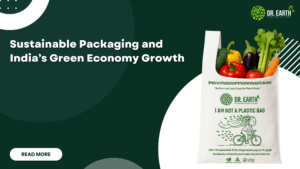
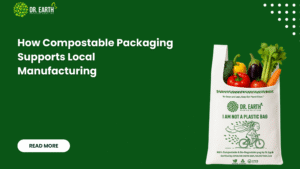
Plastic pollution is a contemporary problem of the environment that is one of the most urgent. Every year, millions of tons of single-use plastic bags find their way to the landfills and oceans, and both companies and individuals seek new and sustainable solutions. One of the most convenient and most prevalent viable alternatives to the single-use bags is the compostable bags. Hundreds of years are needed to break down traditional plastics and compostable bags break down naturally returning nutrients back to the soil as compost! But it is not just that plastic grocery bags are being substituted with compostable bags. Their value of versatility has presented numerous opportunities in business and homes. Compostable bags are not merely a method of food delivery, waste management, and packaging. Compostable bags are essentially altering the manner in which we approach sustainability in our lives.
In this blog, we will discuss the top uses of compostable bags, the environmental benefits, and why more people are making the change to compostable bags.
What Are Compostable Bags?
Compostable bags are made from plant-based materials including cornstarch, potato starch, sugarcane pulp, and PLA (polylactic acid). Compostable bags will typically biodegrade within a few months after being disposed of in a composting condition, resulting in turning into water, CO₂, and organic material.
Unlike biodegradable plastics (which can still leave microplastics behind), compostable bags that have a certification are subjected to a rigorous test of environmental standards, including EN 13432 (Europe) ASTM D6400 (USA) and IS/ISO 17088 (India). They will be tested to prove that they will completely break down into non-toxic materials.
- EN 13432 (Europe)
- ASTM D6400 (USA)
- IS/ISO 17088 (India)
This ensures they completely break down into non-toxic materials.
Why Compostable Bags Are Gaining Popularity
- Eco-Friendly options – Compostable bags assist in reducing plastic waste and carbon footprint.
- Support from governments – Many countries, including India are banning or limiting single-use plastics all together.
- Consumer demand – With eco-conscious customers today, consumers are gravitating towards businesses that practice sustainability.
- Alternative options – You could manufacture reusable bags with unique designs and thermal options to suit all industries.
Top Uses for Compostable Bags
1. Grocery Shopping Bags
One of the most common uses for compostable bags is grocery bags available in many stores and supermarkets. Instead of single-use plastic carry bags, compostable bags can provide consumers a durable option that is eco-friendly.
- They can be used to carry fruits, vegetables, packaged food, and beverages.
- They are food-safe and prevent food contamination.
- Consumers can also use them at home to dispose of waste
Why it matters: Grocery shopping is a regular activity, and recycling these shopping bags and now using compostable bags will drastically cut down plastic waste.
2. Produce Bags for Fruits and Vegetables
The thin plastic bags used to weigh and pack fruits or vegetables are among the worst types of plastics because they are hardly ever recycled. Grocery stores and local markets are starting to use compostable produce bags for safely packing fresh produce.
- They are breathable material so produce remains fresh.
- They can also be composted with food scraps.
- They are great for zero-waste practices.
3. Food Delivery & Takeaway Packaging
The food delivery boom has contributed massively to plastic pollution with millions of plastic bags, containers, and cutlery used every day. Now compostable bags are a sustainable alternative to harmful materials.
- Compostable bags are being used for takeaway orders in restaurants.
- Food delivery agencies are teaming up with compostable packaging suppliers.
- They are also intended for hot foods and oily foods.
Why it matters: Consumers prefer eco-friendly brands, driving loyalty.
4. Garbage and Waste Disposal Bags
Compostable garbage bags are an excellent option for collecting household, kitchen or garden waste. Once placed in a composting facility, both the compostable garbage bag and its organic waste will break down.
- Reduces waste in landfills.
- Prevents toxic leachates from plastics.
- Compostable garbage bags are strong enough for wet & dry waste.
Example: Hotels, restaurants and hospitals use compostable garbage liners to avoid compliance conflict with waste management.
5. E-commerce & Retail Packaging
The rise of online shopping has led to an increase of packaging waste. Eco-friendly e-commerce companies are now offering a variety of compostable courier bags and shopping bags.
- Tear resistant and waterproof.
- Printed with branding.
- Breaks down without toxic residues.
Why it matters: companies that have moved to compostable mailer bags are winning eco-conscious customers.
6. Hospitality Industry (Hotels & Cafés)
Hotels and cafes want compostable bags for packaging and waste management. Guests often notice and appreciate sustainable elements to restaurants or hotel stays.
- Compostable liners for room bins.
- Bags for laundry and food packaging.
- Branded compostable shopping bags for guests to use.
This helps the brand’s eco-friendly image and they remain compliant with sustainability regulations.
7. Events, Festivals, and Gatherings
Festivals, special events, and gatherings often require lots of food vendors, and as a result, lots of food waste, which often ends up in landfills. When we have gatherings, we try to have food and drink vendors use compostable bags whenever possible.
- We use compostable bags to package snacks, drinks, and merchandise – we’re able to throw them into the compost bin directly.
- We are helping to minimize the use of plastics in festivals and events.
8. Medical and Healthcare Applications
Hospitals and clinics are traditionally built around using single-use plastics for health and safety regulations and hygiene reasons. Compostable biohazard bags are now becoming available as possible substitutes to plastic bags for specific waste streams.
- They can be used to dispose of medical textiles, food waste, and some non-infectious medical waste.
- A compostable bag will also help hospitals reduce the net environmental footprint.
9. Pet Waste Bags
Dog waste bags are responsible for a large percentage of pollution in our environment. Compostable dog waste bags present a more sustainable option.
- All compostable pet waste bags are sturdy, leak-proof, and odor resistant.
- If proper facilities are used, the bags are safe for composting.
10. Agricultural and Gardening Uses
Farmers and gardeners can use compostable bags for soil amendments or seed collections, to hold green waste, and when collecting material from other cover crops.
- Compostable bags’ ingredients are safe for soil.
- Contributes to environmental sustainability functions within agricultural practices.
Environmental Benefits of Compostable Bags
- Reduction of Carbon Footprint – Compostable bags are made primarily from renewable plant materials
- No Microplastics – Compostable bags will break down completely, with no toxic residue
- The soil is supported by composting – Composting deposits nutrients in soil
- Resources are conserved compared to plastic – Fossil fuel is used less than plastic
- Attending to global environmental goals – United Nations Sustainable Development Goals have a target focused on plastic waste reduction.
Challenges and Misconceptions
Compostable bags are a great alternative, but there are also challenges to using them:
- They are more expensive than plastics (but they eventually yield an ROI)
- They require proper disposal in composting facilities (they should never go to a landfill)
- They confuse consumers with biodegradable bags (that may not fully break down)
Solution: These challenges can be solved with education and government backing.
The Future of Compostable Bags
As plastic bans become stricter, eco-consciousness grows, and composting facilities improve, compostable bags are becoming the dominant player in the packaging market. New technology, which includes water-soluble bags, edible packaging, and home compostable bags are also being developed.
Conclusion
Compostable bags have an endless field of applications from groceries and food delivery, to healthcare and hospitality. They are more than just a substitute for plastic; they signify an intentional shift towards a sustainable future.
Switching to compostable bags means:
- Businesses are building brand equity in an environmentally friendly way
- Consumers are diminishing their carbon footprint
- Communities are moving forward in the direction of a cleaner planet
So we can see that compostable bags are here to stay; they represent the future of packaging, and waste management.
5 FAQs About Compostable Bags
1. Are compostable bags really better than biodegradable bags?
Ans-Yes. Compostable bags break down fully into non-toxic organic matter, whereas biodegradable bags may leave behind microplastics.
2. Can I compost compostable bags at home?
Ans-Some compostable bags are industrial-compost only, but others are home-compostable. Always check certifications like “Home OK Compost.”
3. Do compostable bags cost more than plastic bags?
Ans-Initially, yes. However, when considering environmental benefits and compliance with bans, the ROI is positive.
4. Are compostable bags waterproof and durable?
Ans-Yes. High-quality compostable bags are strong, leak-proof, and can hold wet or oily items.
5. Where can I buy compostable bags in India?
Ans- You can purchase certified compostable bags from trusted suppliers like Dr Earth, which offers grocery, carry, and garbage bags.