Introduction: The Daily Waste Challenge in Restaurants
The Daily Waste Problem in Restaurants
The restaurant industry is very busy.
Orders come in fast. Food is made in very large quantities. Packaging is constantly used. And once you finish your service for the day, quite a bit of waste has been created.
Restaurants generate waste while running their business, from food scraps (kitchen waste) to disposable take-out containers to delivery bags.
Most of the waste a restaurant creates is disposed of similarly.
The restaurant collects the waste, combines it, and then removes it from the restaurant.
When you consider the total number of restaurants within a given city, this adds up to a problem far beyond a single restaurant.
Restaurants realize that they can utilize their opportunity to reduce waste, rather than utilizing their opportunity to manage waste.
Understanding Where Waste Comes From
To properly reduce the amount of waste, it’s important to identify the source of such waste.
Common waste in restaurants includes:
- Food waste (leftover food, vegetable waste)
- Plastic wrappers (take-out bags, liners, wraps)
- Disposing of take-out
- Single-use food and drink containers
A common problem is that food waste and plastic are combined in the container, which makes it impossible to properly process the waste.
Plastic contamination impacts the composting and recycling process.
Why Traditional Waste Handling Is Not Sustainable
For restaurants, convenience is the key theme for their waste management. Plastic liners and bags are easy to come by and cheap to use for waste collection. But the years of convenience will come with future problems, such as:
- Plastic accumulation in a landfill.
- Turning into microplastics.
- Contaminating organic waste streams.
- Increasing the environmental impact.
As awareness and regulation grow, this approach is unsustainable for restaurants. Restaurants need an environmentally and economically sustainable long-term solution.
Compostable Solutions: A Simple Yet Effective Shift
Using biodegradable products is an easy way to cut restaurant waste. Such solutions are derived from plant-based materials and will break down into their original components when composted. And unlike plastics, there are no toxic leachates.
Key advantage:
They enable restaurants to co-process organic waste and packaging.
This simplifies and streamlines waste management.
Where Restaurants Can Use Compostable Solutions
Using compostable solutions can start with the largest waste stream.
1. Kitchen Waste Collection
A restaurant’s food waste is a large component of waste.
Making composting easier can be done by using compostable liners to store food waste, rather than plastic bags. This will enable food waste to be collected and composted together without having to remove it before collection.
2. Takeaway and Delivery Bags
All take-out and delivery food is served in a bag.
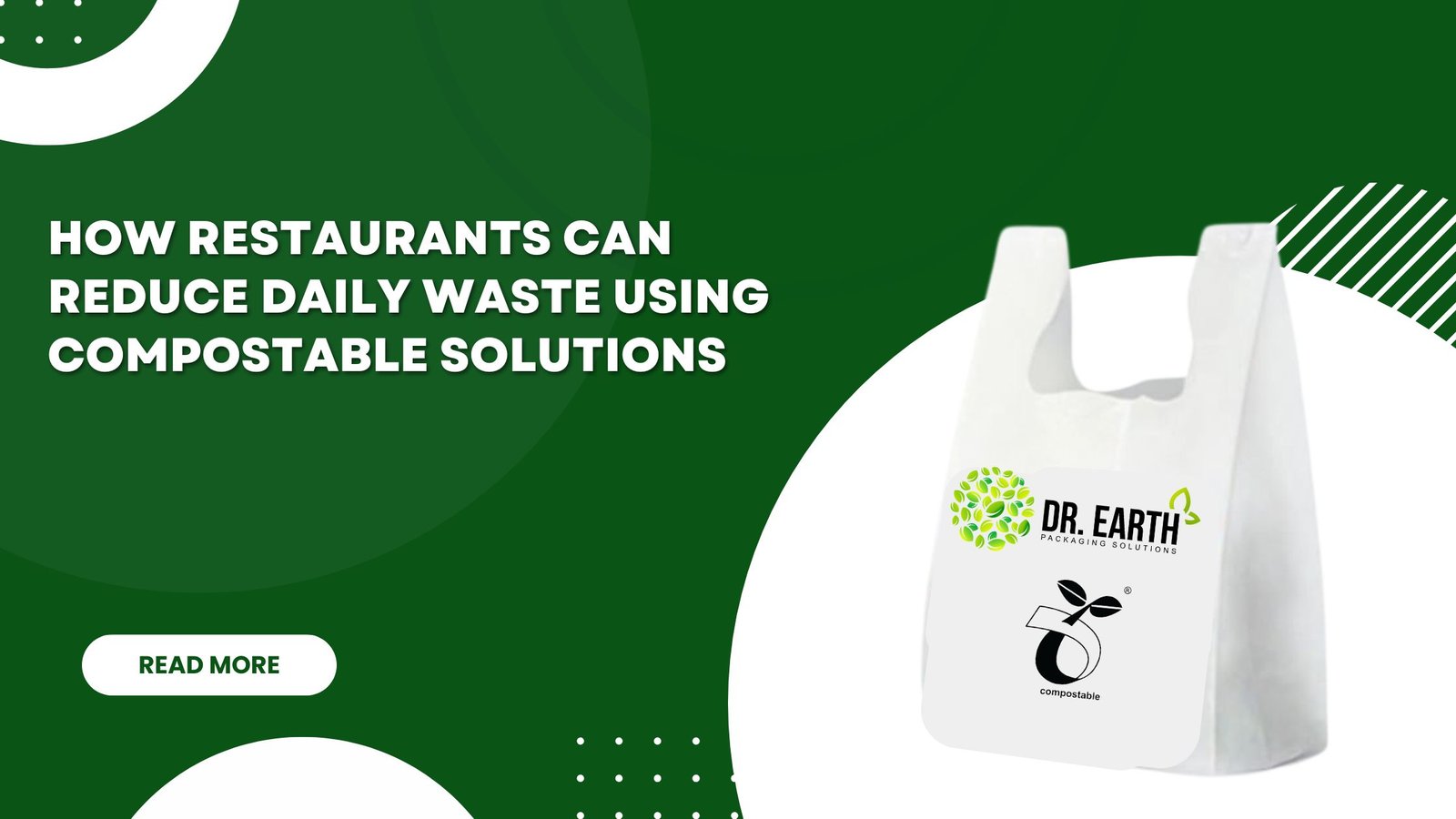
Restaurants can save a lot of plastic bags a day by switching to compostable bags instead of plastic.
3. Packaging for Prepared Food
Restaurants can use a compostable bag for an outside layer of food packaging to reduce plastic use.
4. In-House Waste Segregation
The use of compostable bags to store organic waste in restaurants makes it more likely that segregation will be practised.
Improving Waste Management Efficiency
A key advantage of compostable solutions is that they are simple to use in the waste management system of restaurants.
When using plastic:
- It is necessary to separate the organic waste from plastic.
- After the segregation of the organic waste, the contaminant will make the composting process difficult.
- More time and energy is needed to separate the plastic and organics.
When compostable materials are used:
- Organic waste and the packaging can be processed together.
- The restaurants will have more consistent and efficient segregation processes.
- The waste will be managed effectively.
This will provide a much easier operational environment.
Enhancing Hygiene and Cleanliness
In the context of restaurants, hygiene and cleanliness are influenced by waste management. Plastic waste poses problems with:
- Overflowing trash bins
- Unpleasant odors
- Increase in pest populations
The use of compostable products as an alternative waste solution prevents the build-up of waste and enables cleaner waste disposal. This is also good for both the workers and customers.
Meeting Customer Expectations
Customers are becoming more concerned about the environment, and take this into account when deciding where to dine or purchase food. They also concern themselves with the packaging and delivery of the food.
For instance, having a takeaway meal served in plastic packaging may give a bad impression, while using compostable packaging shows concern.
This leads to:
- Better perception of the brand
- Better perception of the brand
- Increased chance of repeat business
In today’s highly competitive restaurant industry, all of these play a part in business performance.
Aligning with Regulations and Future Trends
Government authorities are increasingly restricting or banning the use of disposable plastics. The issues restaurants using large amounts of plastic will encounter include:
- Compliance challenges
- Operational disruptions
- Increased costs in the future
Using compostable technologies now means being proactive and getting ahead of the game, enabling smoother implementation and mitigating risk.
Cost Considerations: Looking Beyond the Surface
While there may be a potential upfront cost difference between compostables and plastics, it would be beneficial to understand all aspects of the issue.
Some of the potential benefits of compostables include:
Benefits include:
- Increased brand perception
- Customer loyalty
- Lower regulatory risks
- More efficient waste management
Costs are also becoming more competitive as demand for compostables continues to grow.
In addition, purchasing in bulk can provide opportunities for additional cost savings.
The Role of Consistency and Quality
For composted materials to function correctly, they must have good quality. Low-quality materials create operational issues for businesses and cause customers to lose faith in the product’s effectiveness.
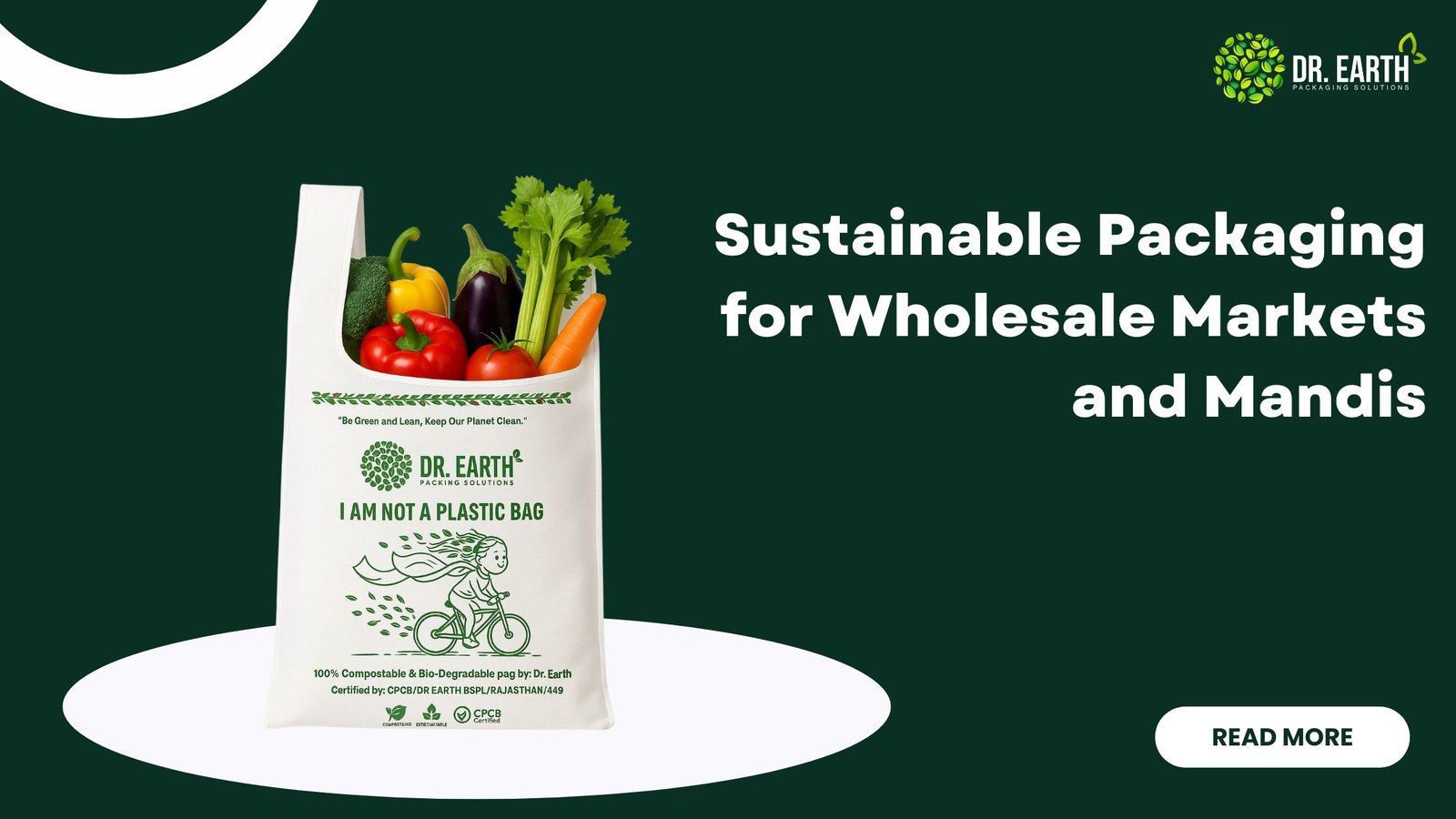
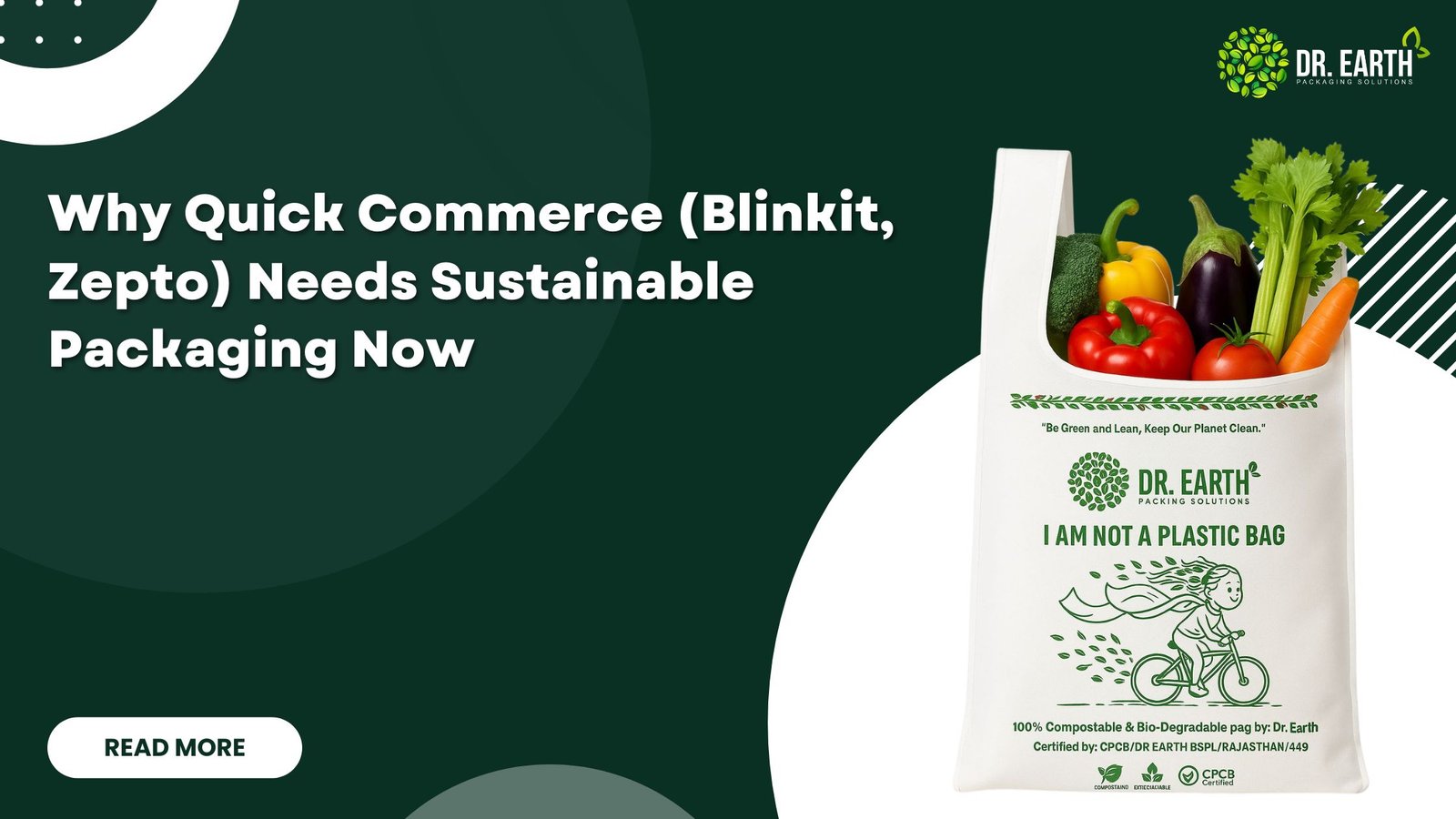
To meet your day-to-day business needs with reliable compostable products, you need to purchase high-quality compostable bags from companies that design bags for daily use. At Dr. Earth, our compostable garbage bags are made from high-quality materials to ensure durability, strength, and consistency in a bag that meets the requirements for being used for a day-to-day operation in a restaurant.
A Step-by-Step Approach to Transition
When it’s time for change, many restaurants feel compelled to change everything at once. In reality, using a phased approach provides a smoother and more manageable transition.
- Phase One – The First Step is to Replace Plastic in the Kitchen with Compostable Liners
- Phase Two – The Second Step is to Add Compostable Takeout Bags
- Phase Three – The Third Step is to Train Staff on Basic Principles of Waste Sorting and Disposal
- Phase Four – The Fourth Step is to Increase the Use of the Above Products over Time
All these steps allow for a smooth transition.
The Bigger Impact of Small Changes
Restaurants produce a lot of waste. Small changes can add up to make a big difference. Composting is one way for restaurants to do the following:
- Reduce the amount of plastic.
- Improve waste management.
- Help to ensure the health of our planet.
When put together, the compostable programs of all restaurants could make a great deal of difference in how our cities manage their restaurant waste.
Final Thoughts
Restaurants are an essential component of urban society; they serve a purpose in providing food, but also for social engagement. It is now possible for restaurant owners to take a leadership role in sustainability.
By using composting products, you can give your business the leadership position to create a sustainable business by supporting environmentally responsible practices, which are desired by your customers.
Dr. Earth‘s philosophy is that sustainability should be easy.
It’s the choice to buy compostable products and also do something good for the environment that makes the difference in restaurants.
Frequently Asked Questions